



Pilates and Physiotherapy: A Highly Effective Duo

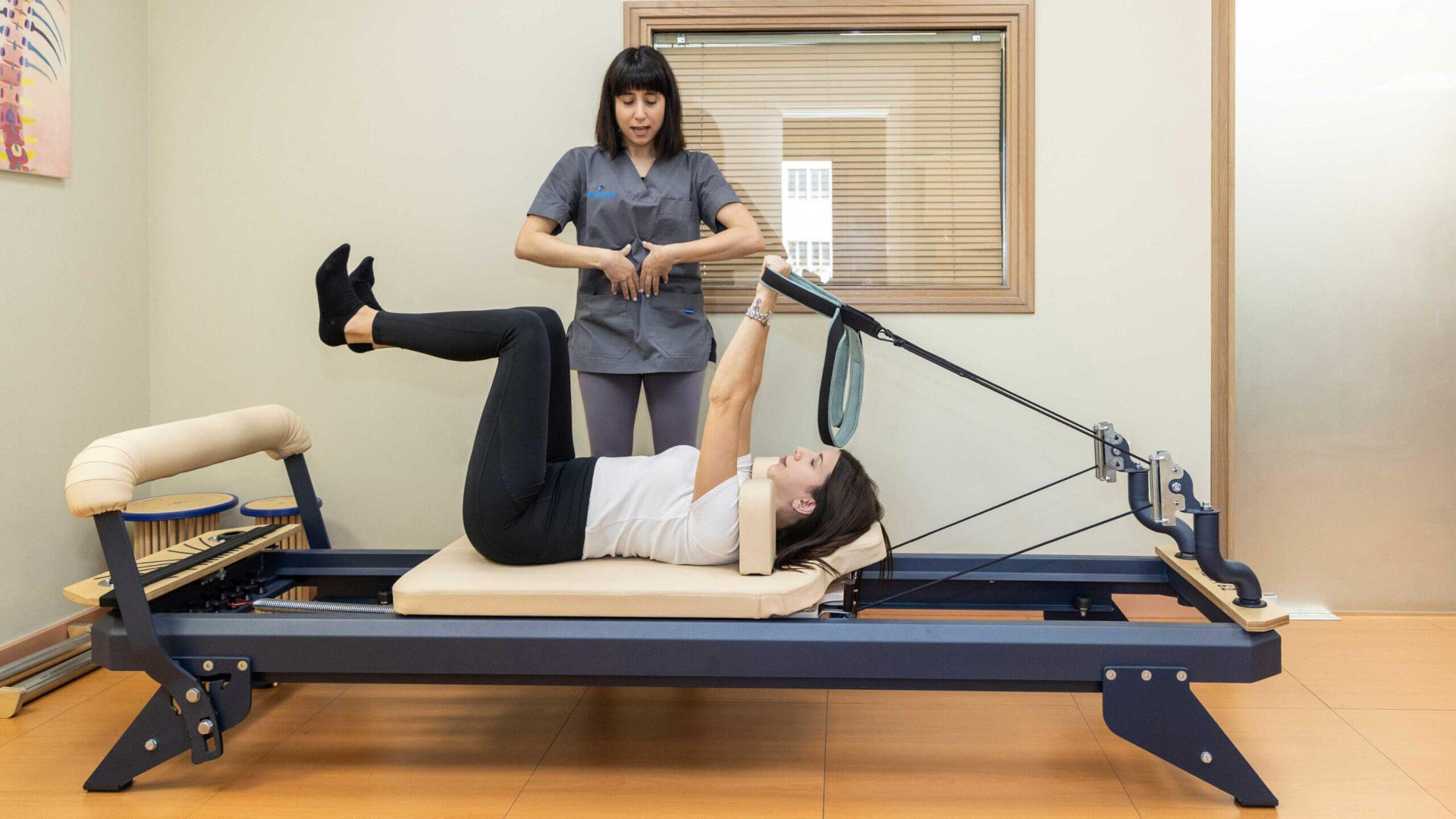
Unfortunately, injuries are not uncommon, and many require more specialized rehabilitation. This specialized recovery can be achieved through the combination of Pilates and physiotherapy. While each has tremendous value on its own, it is their integration that truly enhances rehabilitation and overall quality of life.
This is where an emerging trend arises: incorporating the principles of Pilates into physiotherapy programs for improved and long-lasting results. Pilates is often used in physiotherapy as a form of therapeutic exercise because it offers a wide range of benefits that align with the goals of rehabilitation and physical therapy.
How Pilates and physiotherapy work together
Pilates and physiotherapy can be combined seamlessly, as they share a common goal: restoring proper body movement. Physiotherapy focuses on diagnosing and rehabilitating an injury or pathological condition, while Pilates can enhance the recovery process through gradual and controlled exercises that improve stability, balance, and body alignment.
Their combination is particularly beneficial for:
- Rehabilitation after injury or surgery
- Managing chronic pain in the lower back, neck, or joints
- Correcting posture
- Addressing balance or movement control issues
- Preventing injuries, especially in individuals who exercise regularly or lead demanding lifestyles
The Main Benefits of This Combination
1. Core Muscle Strengthening
The core (abdominals, back muscles, and pelvic muscles) forms the foundation for many movements. Both methods emphasize core stability, helping to better support the spine and reduce pressure that can cause pain or injury.
2. Improved Posture and Body Alignment
Pilates helps individuals improve their posture and correct poor habits or faulty movement patterns — which is also a key objective in physiotherapy.
3. Customized Exercises for Each Individual
One advantage of Pilates is that it can be tailored to everyone’s needs. Combined with the guidance of a physiotherapist, it creates a safe and personalized program that addresses the specific requirements of each body. This way, every issue or injury is treated holistically and effectively.
4. Boosting Confidence in Movement
Injuries or chronic pain often cause fear of movement. Pilates helps people regain trust in their bodies, move safely, and gain better control. As a result, the body continues to grow stronger over time.
5. Preventing Relapses
A major benefit of Pilates is that it works not only therapeutically but also preventively. With the right exercises, the body remains strong and flexible, reducing the risk of secondary injuries.
Who benefits from Combining Pilates and physiotherapy?
The combination of Pilates and physiotherapy can help:
- Individuals with chronic pain or injuries
- People with sedentary jobs or poor posture
- Women in the prenatal or postnatal period
- Athletes needing rehabilitation or injury prevention
- Older adults who want to maintain mobility safely
Overall, Pilates is a flexible and adaptable form of exercise that aligns perfectly with the goals of physiotherapy. When this combination is guided by qualified physiotherapists to ensure exercises are tailored to each individual’s needs, the result is a holistic approach that addresses not only the physical aspects of recovery but also promotes mental and emotional well-being.
Together, Pilates and physiotherapy offer a gentle yet highly effective approach to rehabilitation, prevention, and improved physical conditioning. You don’t need to be an athlete or suffer from a serious condition to benefit. This partnership can help anyone who wants to move better, with less pain and greater confidence.


